
Cathedral Church of St Mary, Newcastle
Client: Stephen Easten LtdProject Date: September 2010
Architect Testimony
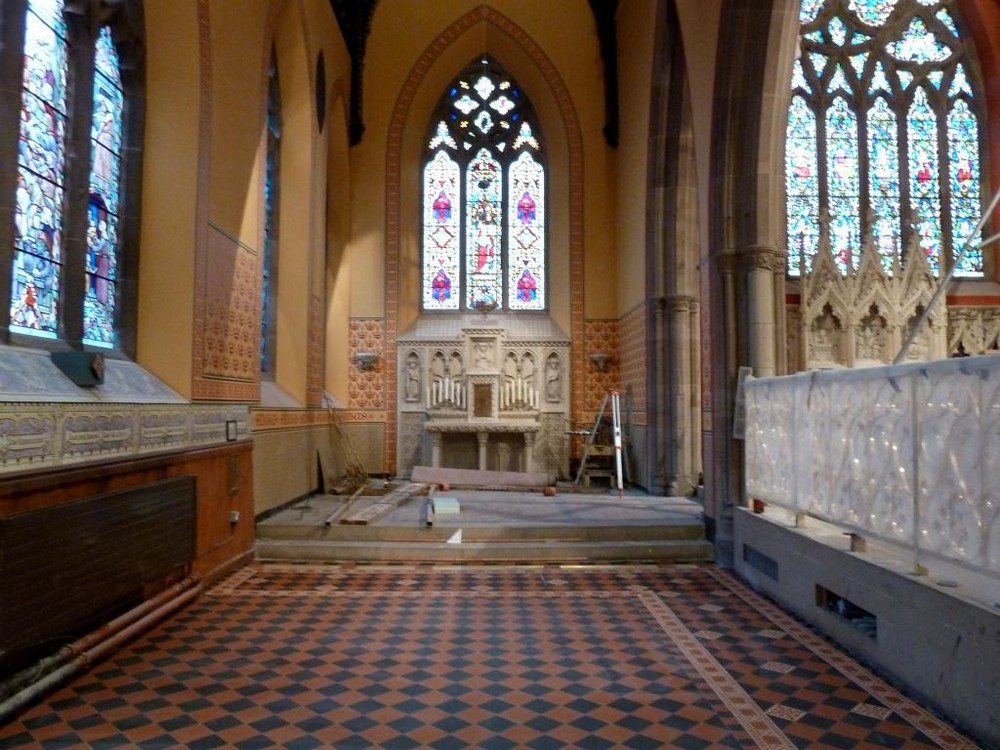
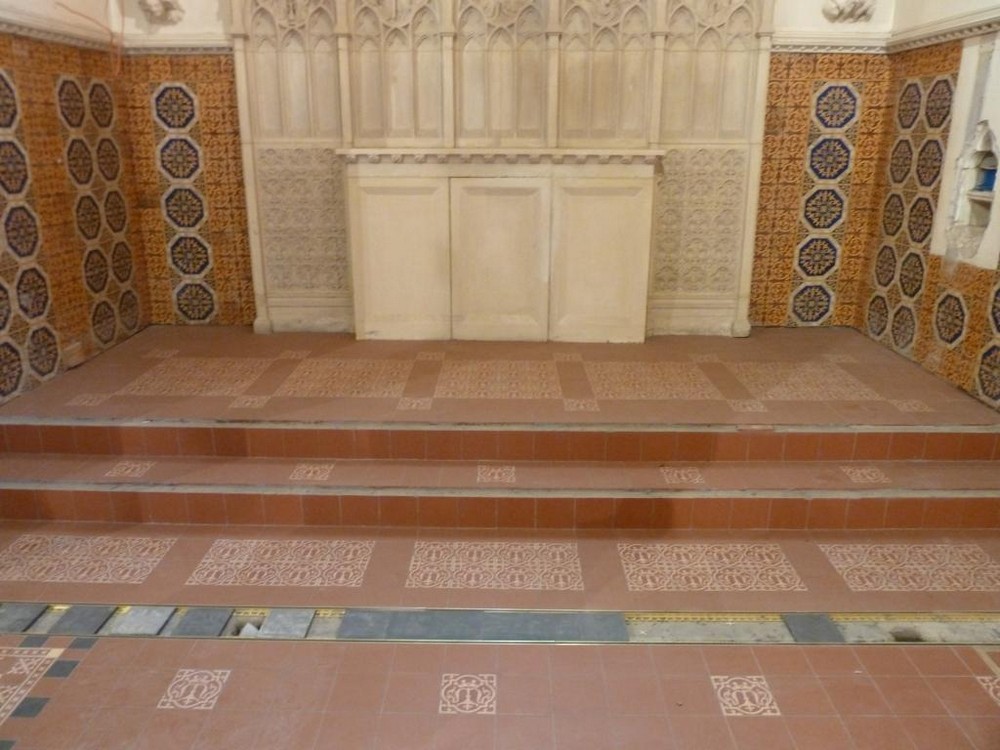
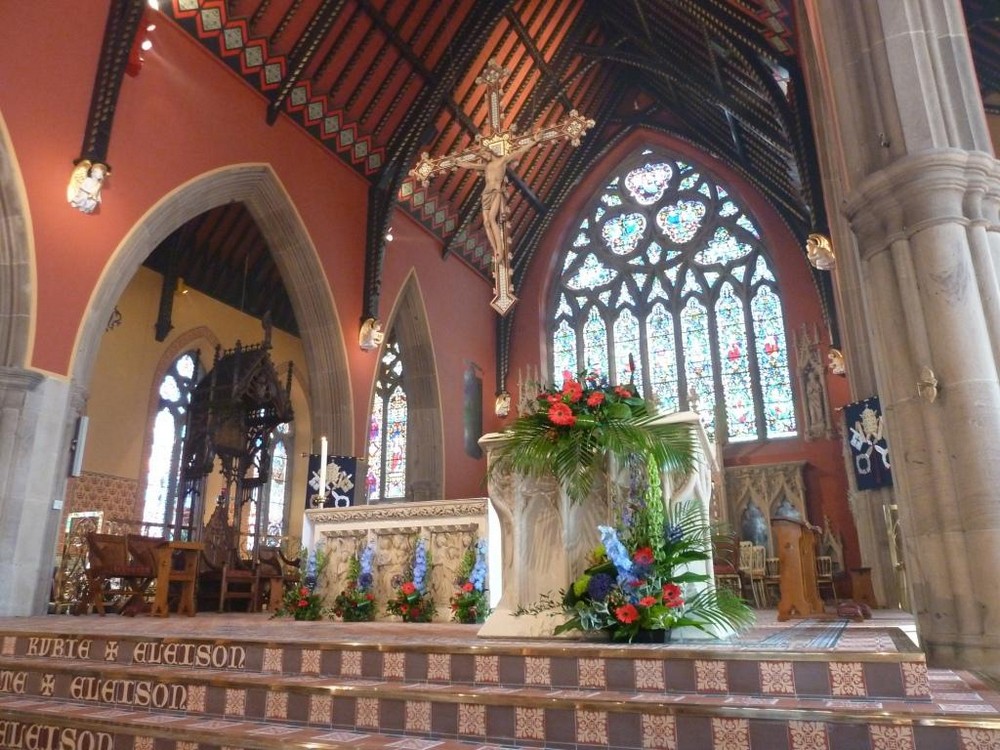
The Cathedral was built in the 1840’s to the design of the eminent Victorian architect AW Pugin and a few of the tiles that had been laid originally were still in place. These tiles were plain tiles in black and red laid in a chequer board fashion. The majority of the floor was finished in encaustic tiles manufactured by Minton and laid in the first decade of the 20th century. These 100 year old tiles were particularly worn in the heavily trafficked aisles. Many patch repairs had been made in the intervening years with inferior quarry tiles. All the tiles were laid on little more than a screed on compacted earth. Large areas of the floor under the pews were timber boarded and these were worn. The raised sanctuary had been remodelled in the 1960’s and this work had been carried out in sandstone.
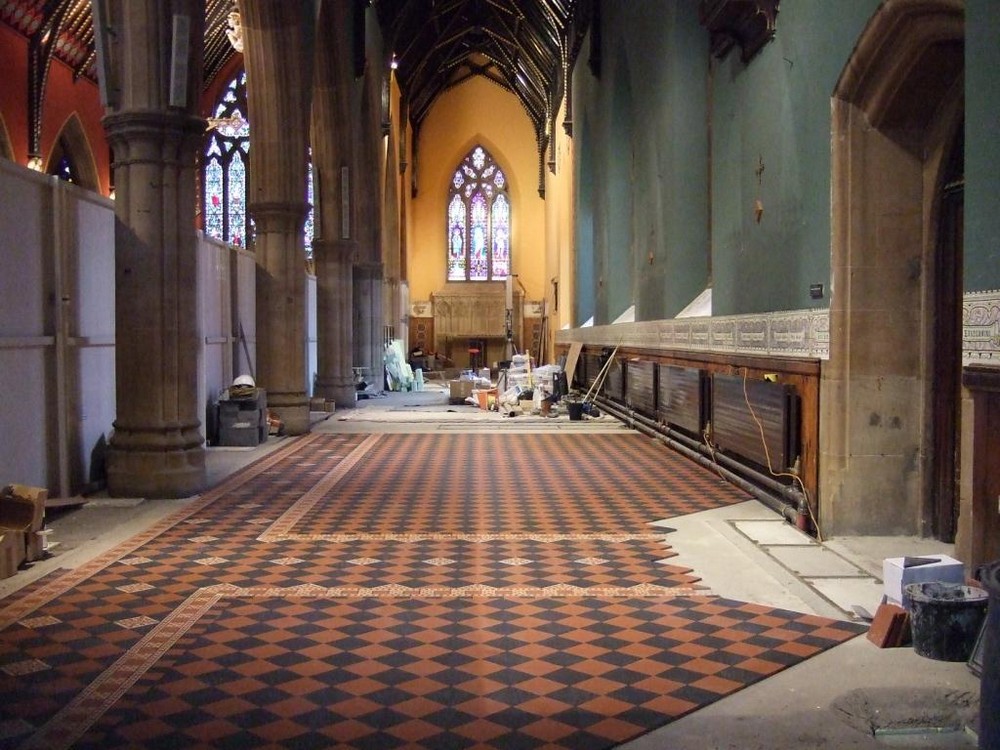
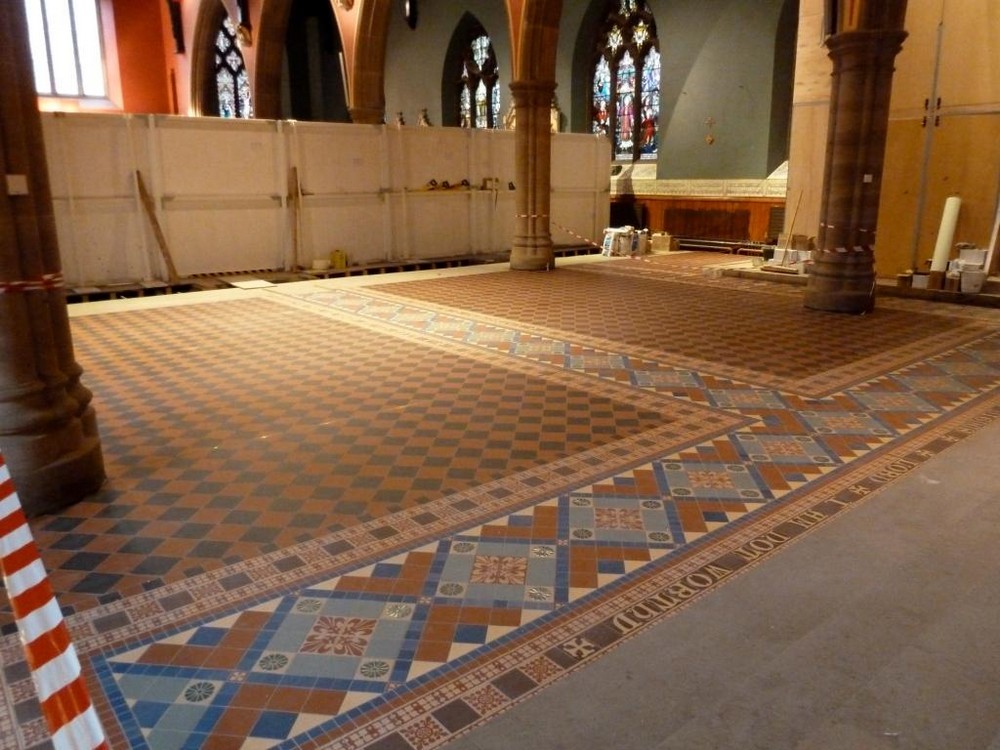
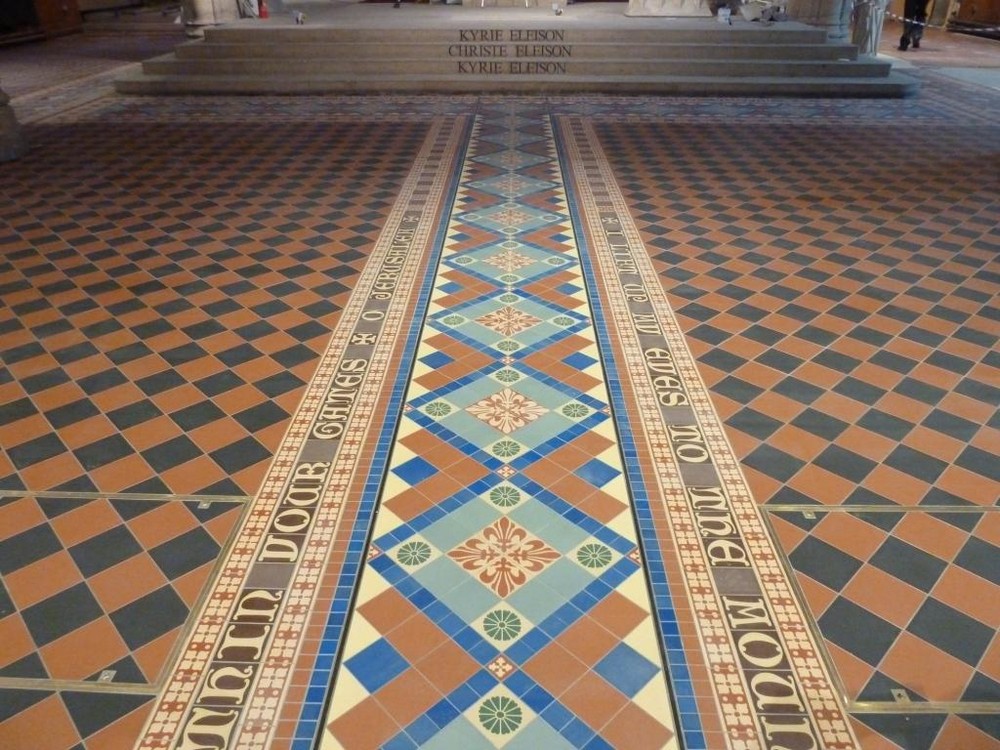
The aim of this project was to replace the existing floor in the cathedral. It was proposed to tile the whole of the cathedral floor with decorative encaustic tiles manufactured in the same manner as at the time of Pugin. The opportunity was taken to replace all the timber floors and it was hoped that introducing more hard surfaces would improve the acoustic of the Cathedral. To give a good surface to apply the tiles to a new insulated concrete floor slab was laid.
The programme for the works was influenced by two main factors.
- Two thirds of the Cathedral was to be available for use for services each Sunday.
- The rate at which the tiles could be manufactured.
Plunkett Tiling Ltd was appointed as the tiling subcontractor for the project by the main contractor Stephen Easten. As architects this was a decision we were happy with because Plunkett’s have a very good reputation and we were confident that they were an ideal company to carry out this work.
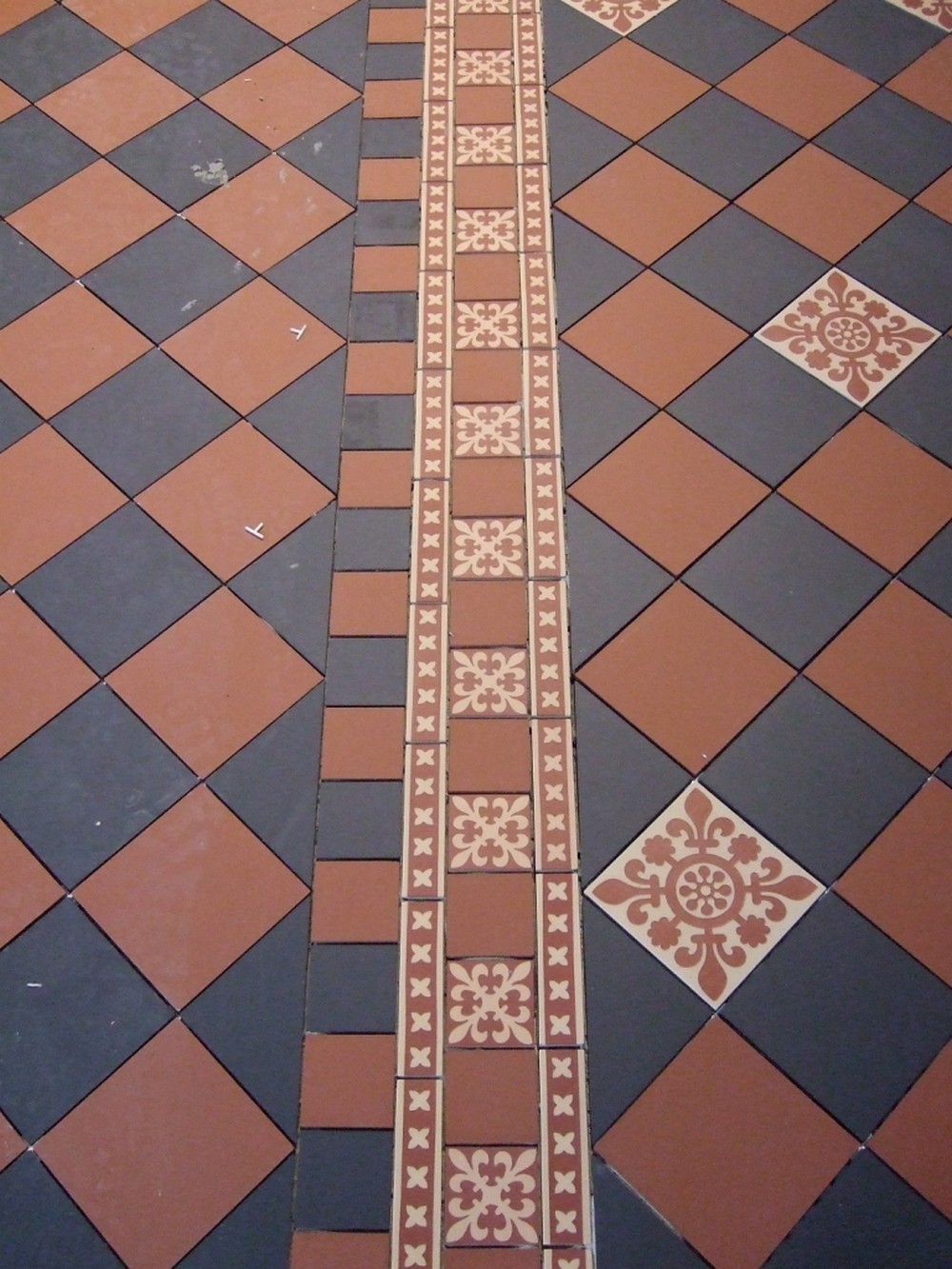
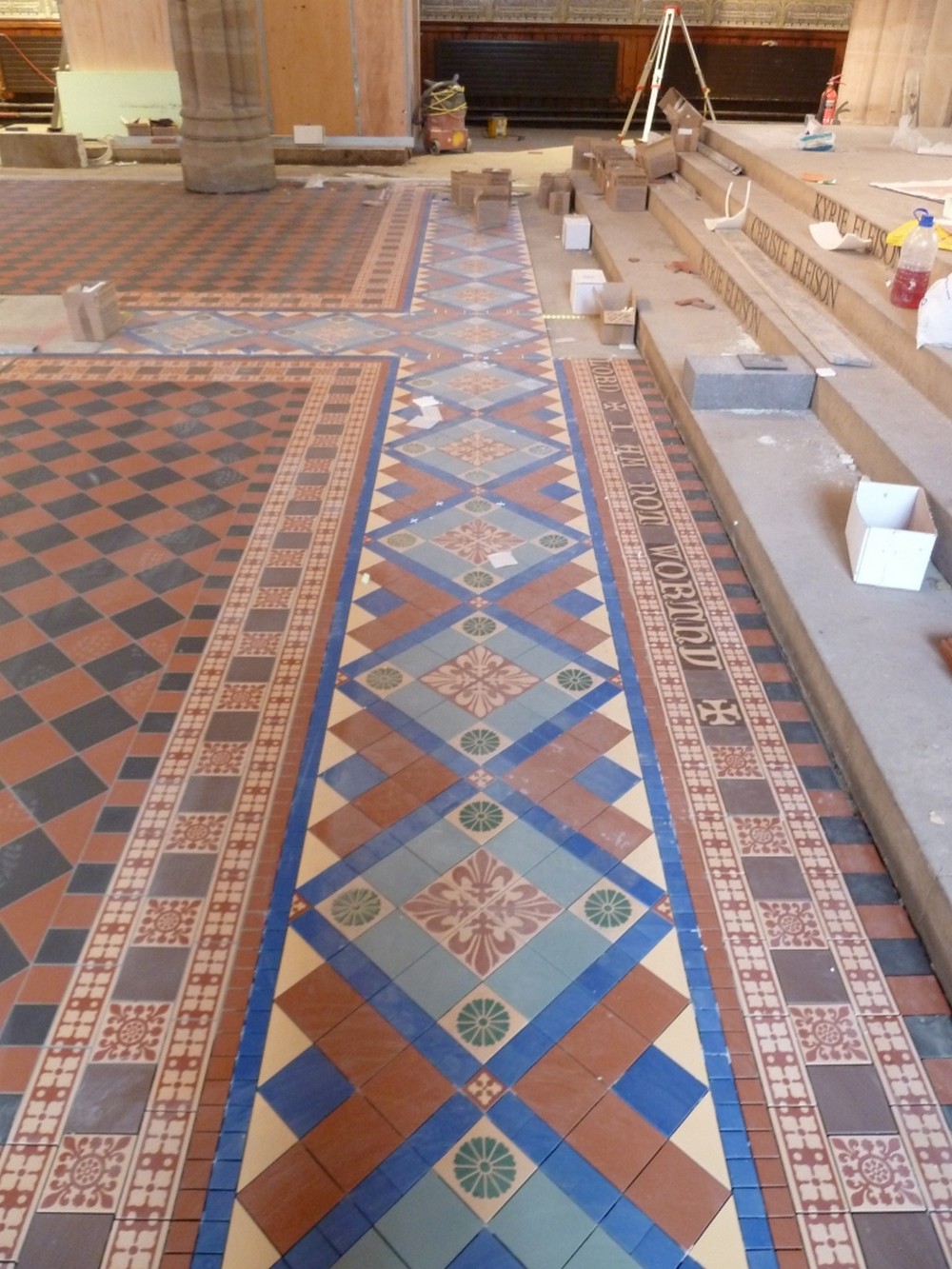
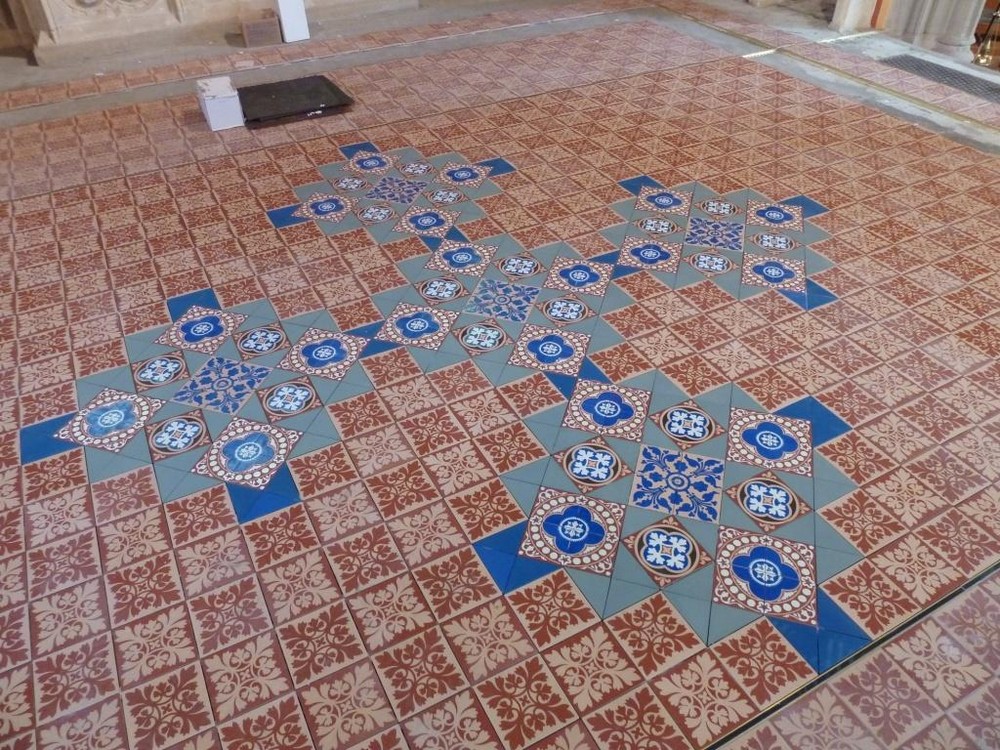
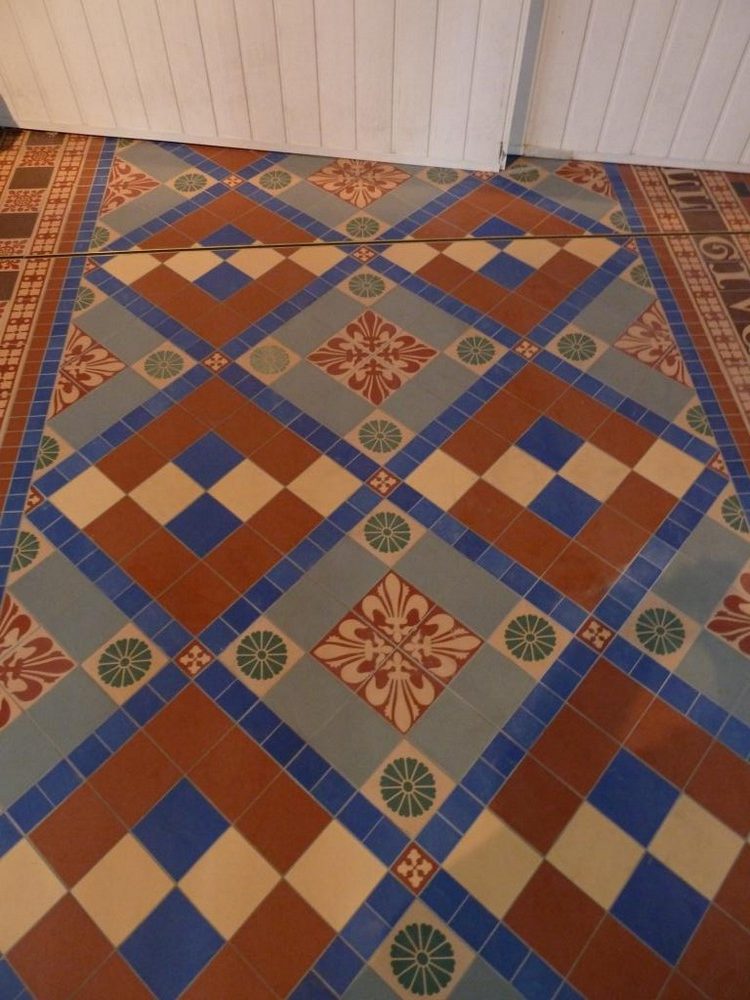
The attached drawings show just how complex some of the new tile patterns are. The main setting out lines were marked out using a laser total station but the infill setting out was all done by Plunkett’s staff with great patience. They laid out the patterns dry and only applied the adhesive once all parties were happy.
As soon as the first new section of floor was ready to be tiled it was clear that a good team spirit had been established between all the parties involved. The tiles arrived ‘just in time’ from the manufacturer. As the first panels were laid it was clear that the tiles were coming out of the kiln slightly larger than anticipated and this was having a knock on effect in the setting out which did need to be very precise. It was also found that the adhesive specified was drying too quickly. Plunkett’s pointed out these issues straight away and adjustments were agreed and made without delay.
The project was always well resourced with skilled craftsmen; when larger areas of structural floor were available extra tilers were brought into the project to increase the speed of laying. There was always continuity because the staff who had started the work were always on site to guide their colleagues who were new to the project.
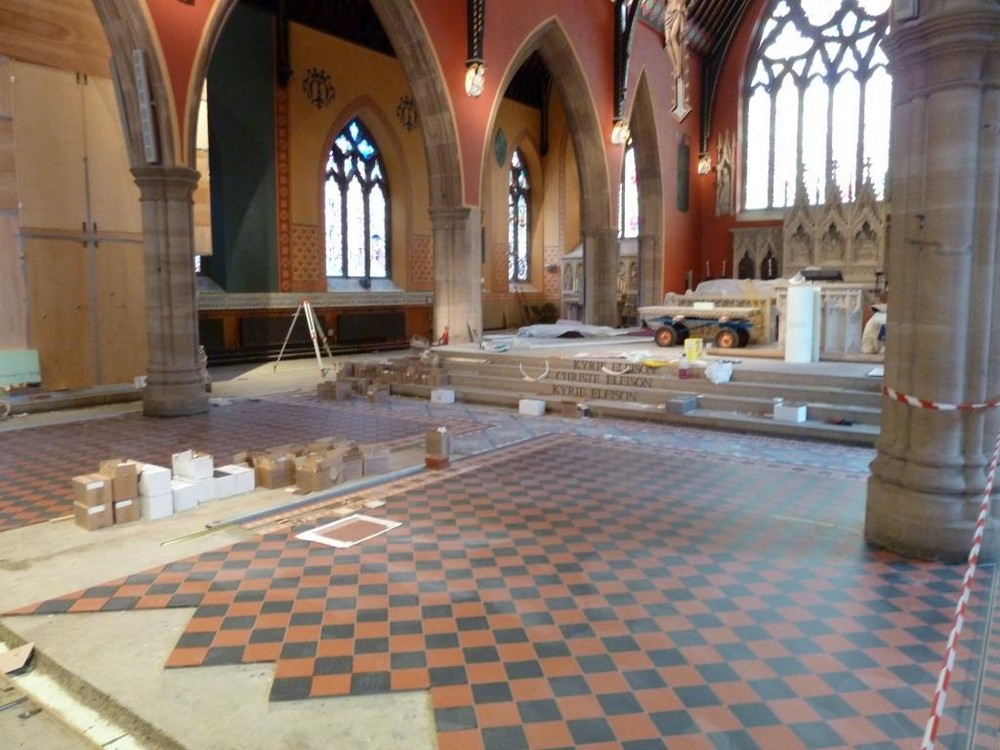
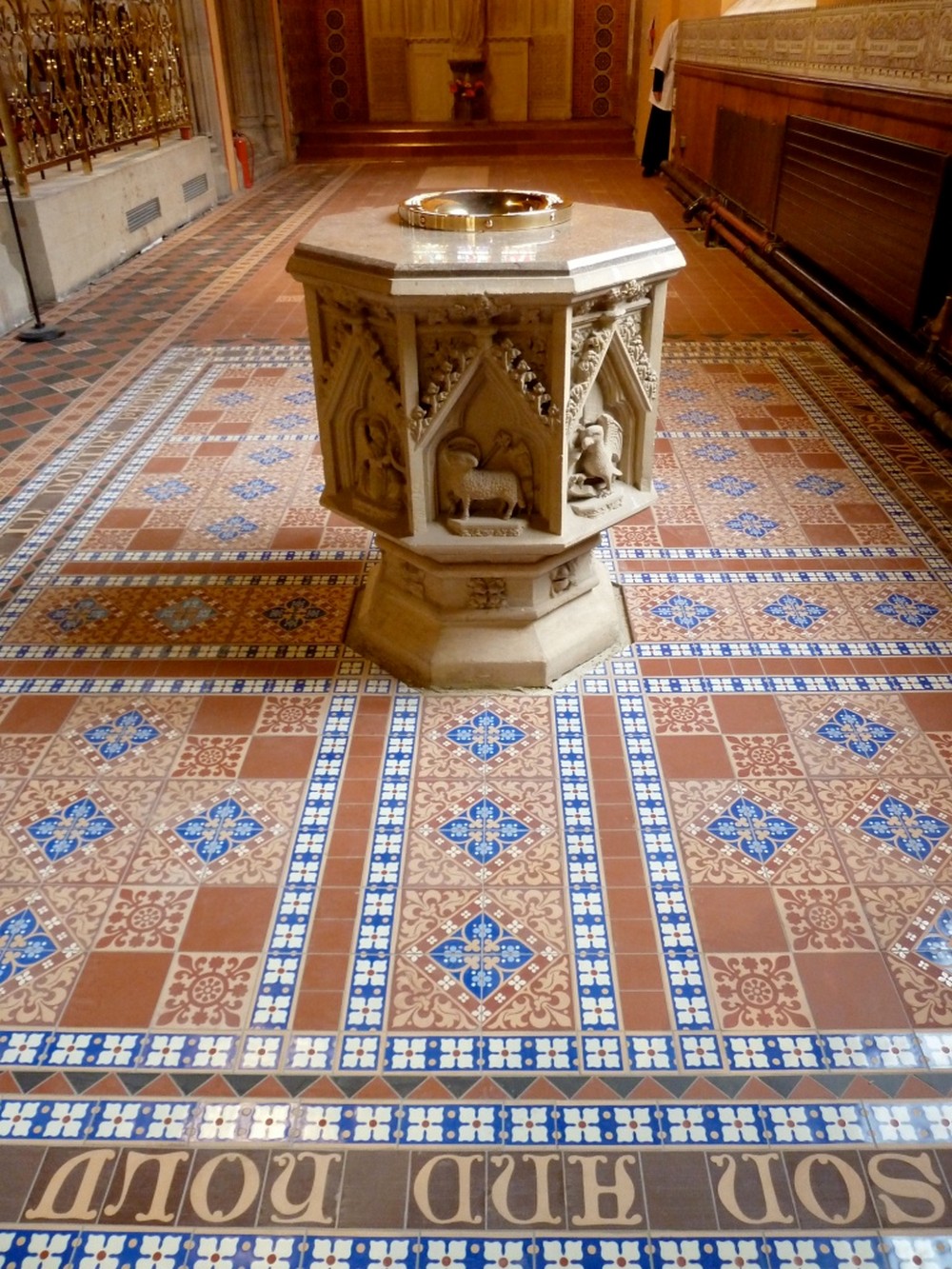
On occasions highly patterned tiles, that were to be inserted into areas of plain tiles, did not arrive on time. Plunkett’s were able to lay the plain tiles leaving voids for the patterned tiles to be fitted later. There were differences in thicknesses of the manufactured tiles and some tiles did have slight bows in them. Plunkett’s personnel took this in their stride. Late changes to the design particularly to the lettering strip around the sanctuary were dealt with the minimum of fuss. The Latin and Greek phrases on the front of the sanctuary steps were only resolved after they had been applied several times. All this is now imperceptible in the finished floor.
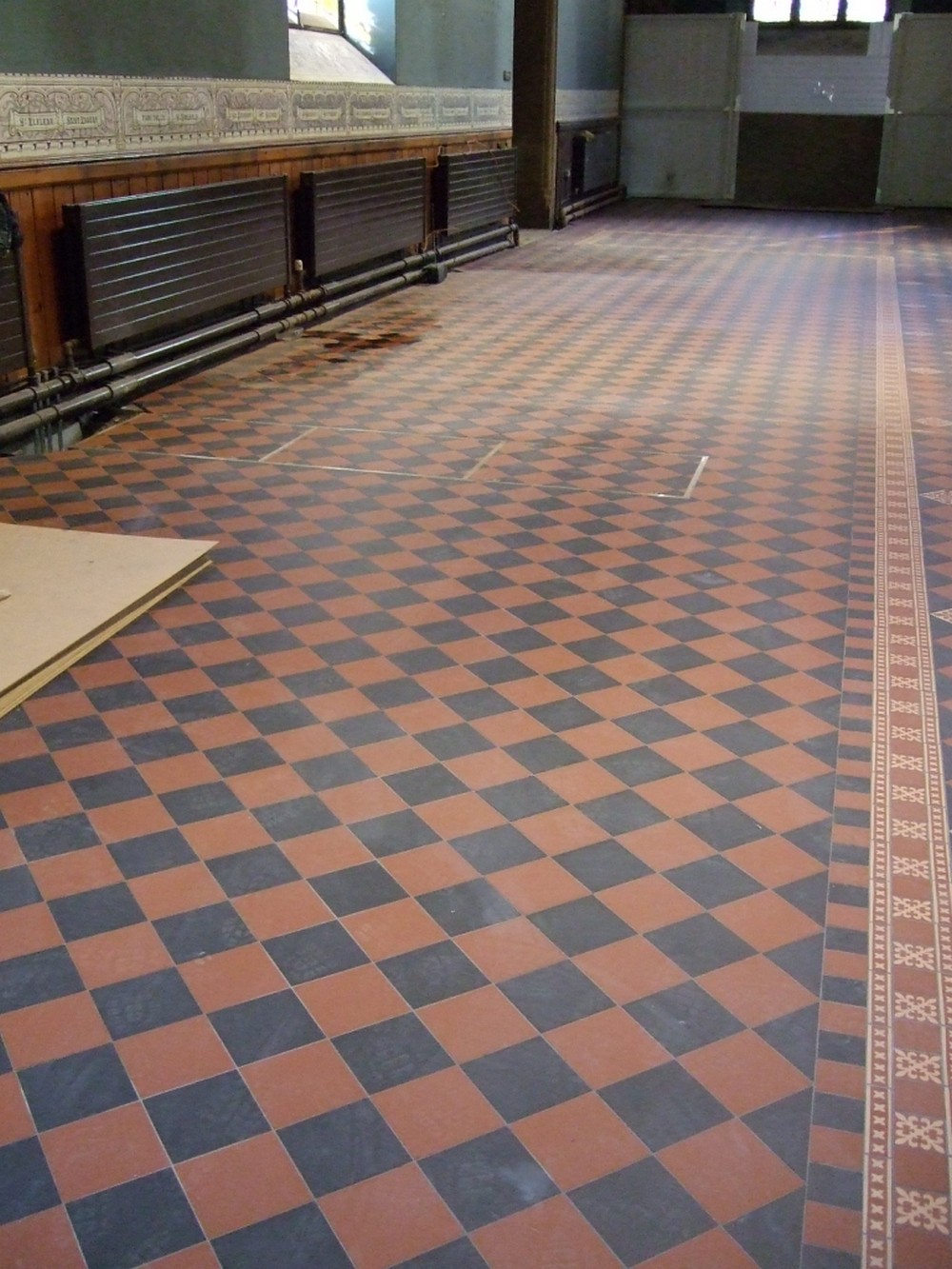
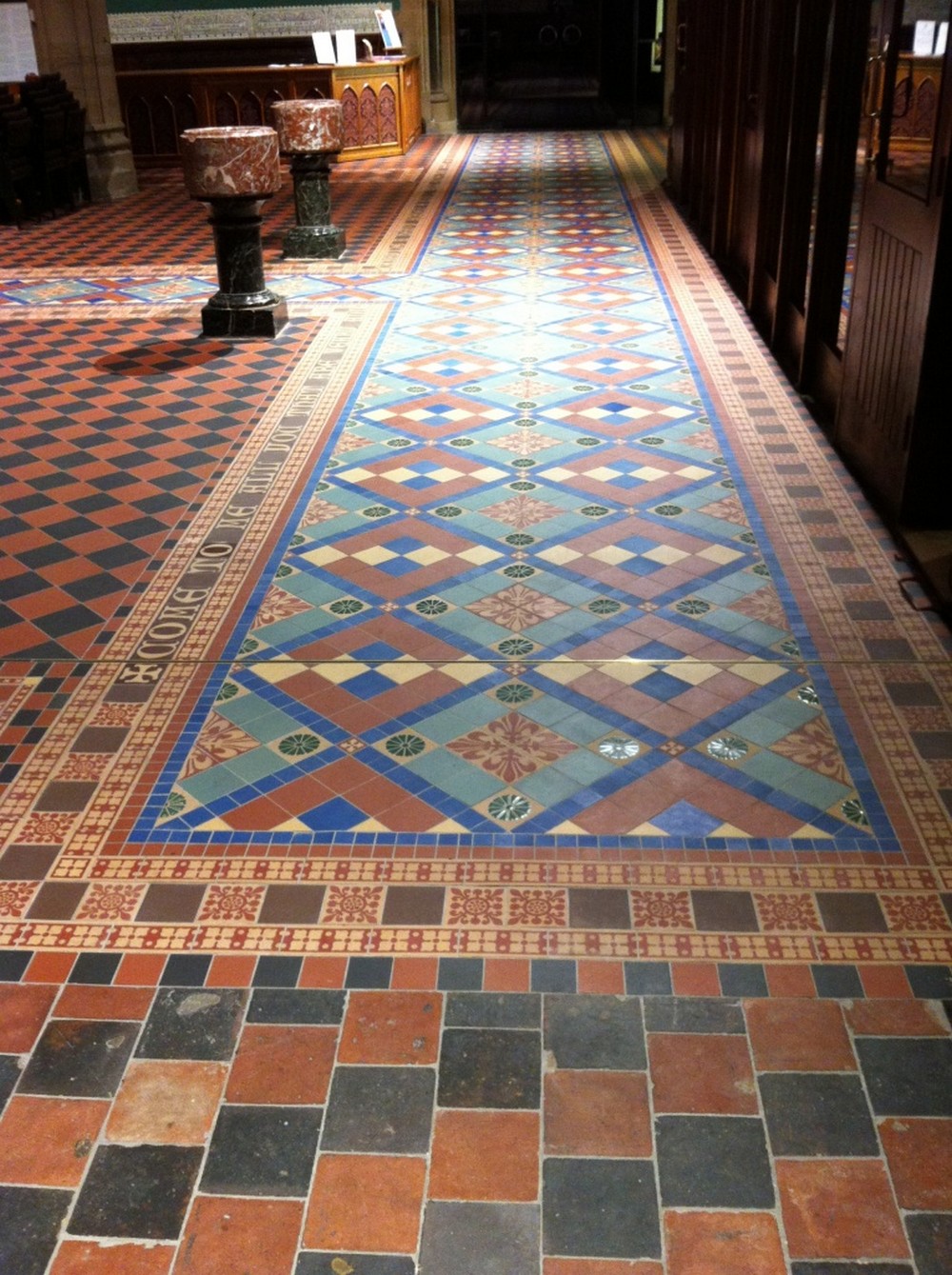
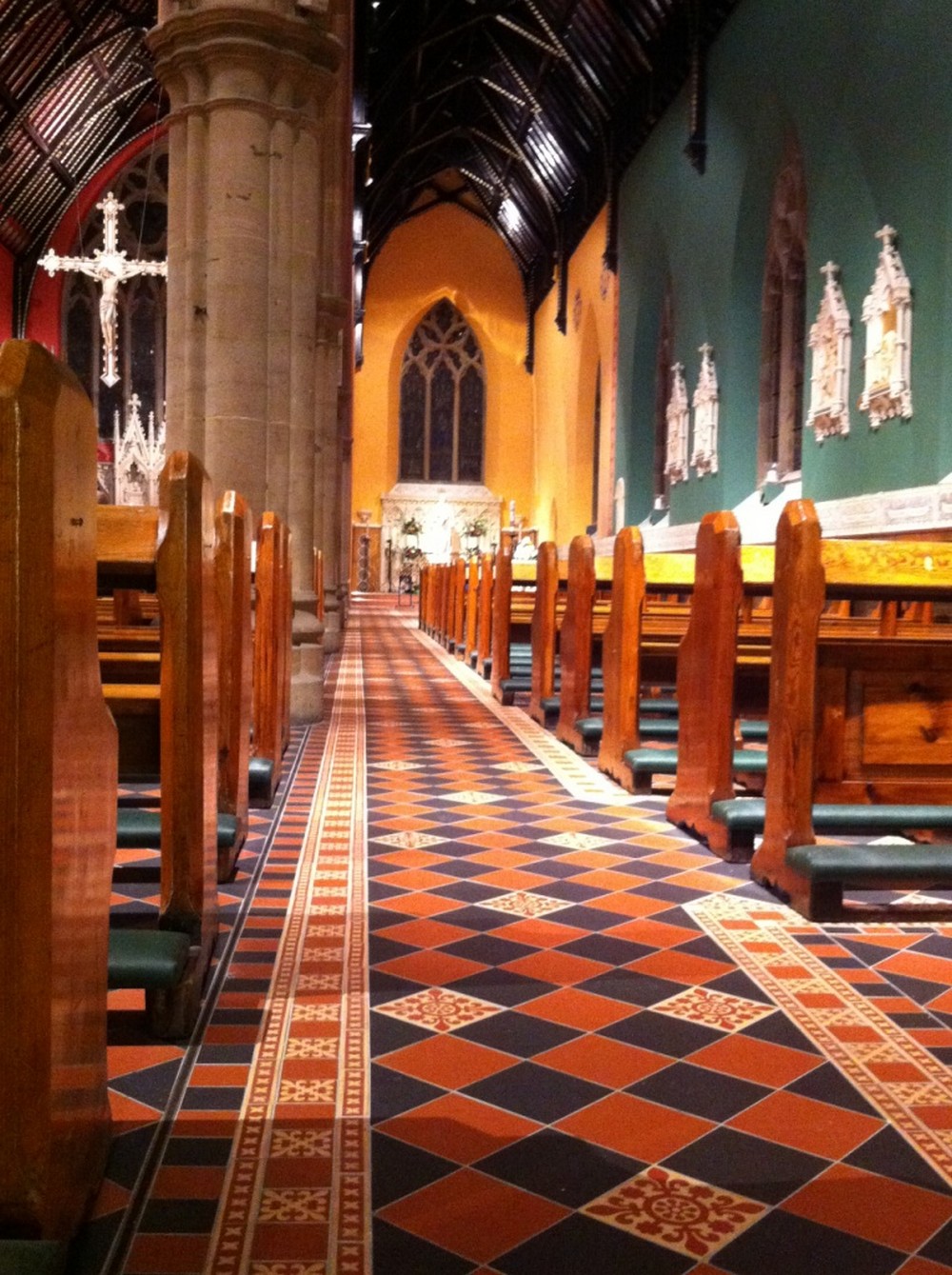
The project included relaying salvaged black and red plain tiles that were originally laid in the Cathedral. When the project started we always hoped that some of these could be lifted and relaid in the new floor. A substantial number of these tiles were lifted, without damage, and Plunkett’s were able to take these back to their workshop to clean off the old grout and cement screed. The tiles have been relaid in the North Aisle. Plunkett’s were able to do all this without losing ‘the patina of age’ from the surface of the tiles.
Kevin Doonan Architect Ltd, 16 Hallstile Bank, Hexham, Northumberland, NE46 3PQ. Tel. 01434 601020

View more Art & Leisure projects


Like what you see?
We'd love to discus how we can help you with your next project